The 1980s stand as a pivotal decade in the history of Bristol Rovers, a time when The Gas not only solidified their presence in English football but also endeared themselves to a generation of fans. Following a tumultuous period in the late 1970s that saw the club flirting with relegation to the Fourth Division, the early 1980s brought a renewed sense of optimism with the arrival of manager Bobby Gould in 1981.
Under Gould's stewardship, Rovers transformed from relegation candidates into promotion contenders. The 1983-84 season was particularly memorable; Rovers finished the campaign in third place, securing promotion to the Second Division. This achievement was not just about climbing the league ladder; it was a testament to the resilience and determination of a squad that had faced significant adversity only a few years prior. The season was highlighted by a thrilling style of play, with players like Gary Penrice and the ever-reliable defender, David Williams, becoming fan favourites as they showcased their skills on the pitch.
One of the defining moments of this era came during the 1983-84 FA Cup, where Rovers reached the Fourth Round, capturing the imaginations of fans and neutrals alike. The Gas displayed a fighting spirit that resonated with the Bristol community, culminating in a memorable tie against the mighty Newcastle United at St James' Park. Although Rovers were ultimately knocked out, the performance highlighted the club's potential and set the stage for further successes.
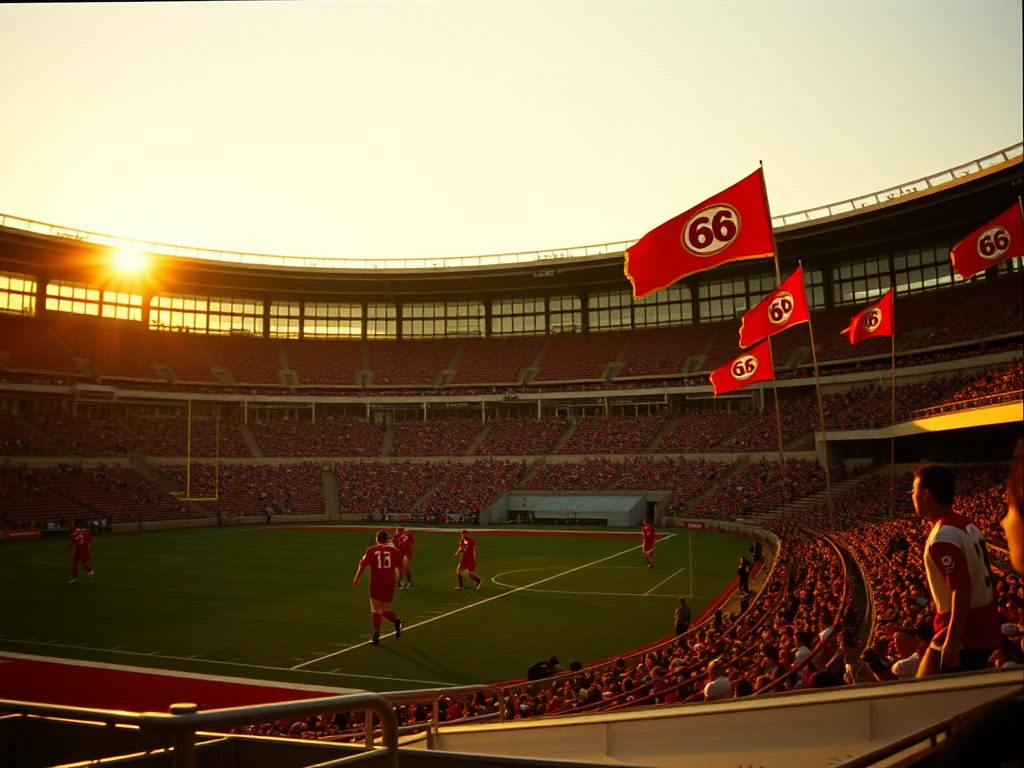
The promotion in 1984 wasn’t just a milestone; it marked the beginning of a new identity for the club. The Gas became a staple in the Second Division, attracting larger crowds to the Memorial Stadium and enhancing the club's reputation within the footballing community. The late 1980s saw the emergence of local talent and a strong youth setup that would lay the groundwork for future generations. Players like Paul Randall and the legendary centre-forward, George Tilley, became synonymous with the club's identity during this period.
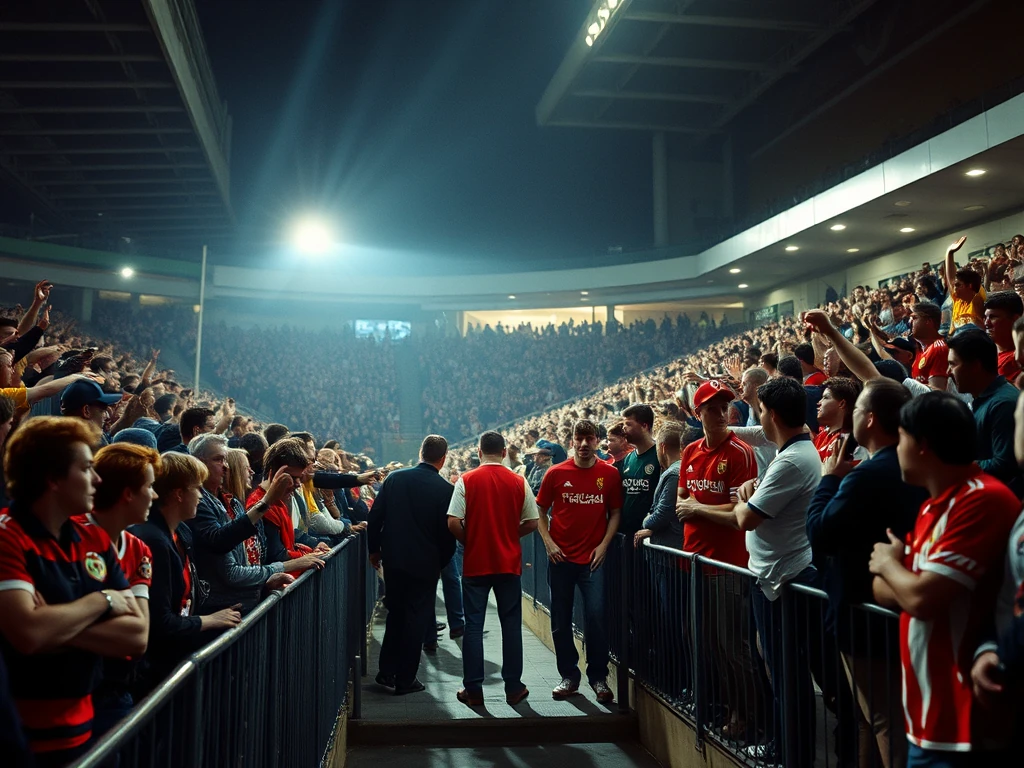
This decade also saw a strengthening of the rivalry with local foes Bristol City. Matches between the two sides were charged with intensity, and the atmosphere in the stadium was electric. The Gas secured a number of memorable victories against their rivals, adding to the rich tapestry of Bristol football history.
As the decade came to a close, Bristol Rovers were not only a club on the rise but also an emblem of pride for the city of Bristol. The sense of community and loyalty from fans created an environment where players thrived. The Gas had firmly established themselves in the hearts of many, laying a foundation that would see the club through subsequent challenges in the years that followed.
Looking back, the 1980s were more than just a successful period in terms of league standings; they represented a cultural awakening for Bristol Rovers. As we continue to support The Gas today, reflecting on this golden era serves as a reminder of what can be achieved with belief, unity, and a passion for the game. The legacy of the 1980s remains a source of inspiration for both fans and players, as Bristol Rovers strive to replicate the success of their storied past.