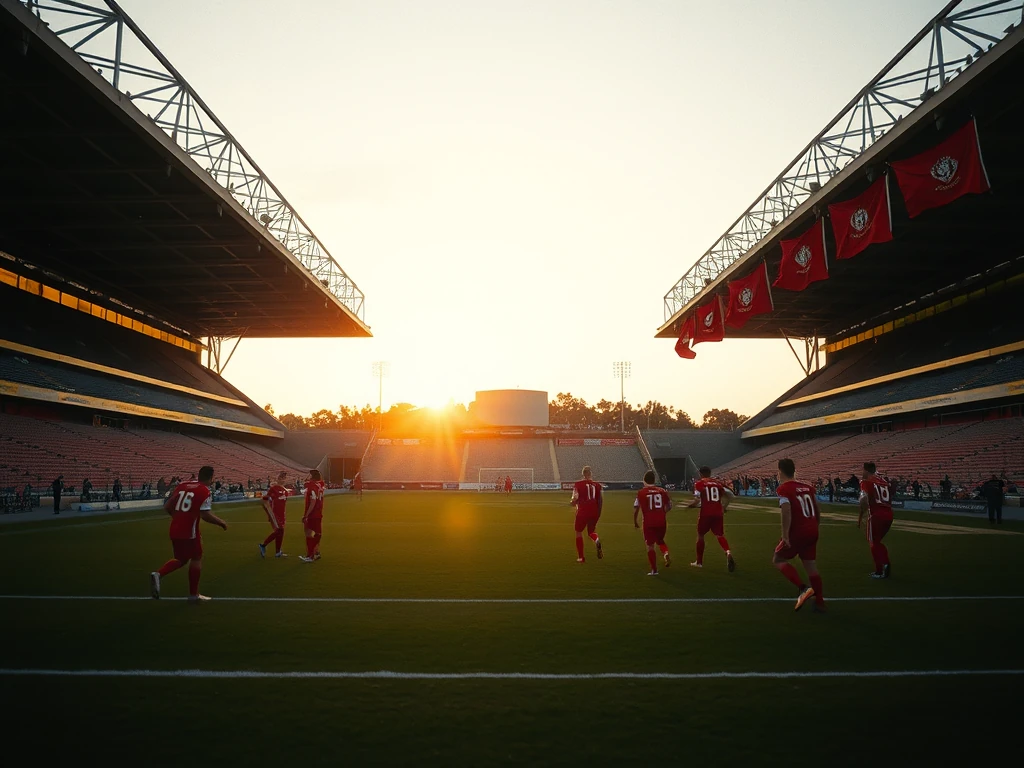
Since Joey Barton took the helm at Bristol Rovers, there has been a noticeable tactical evolution. The team's approach has transformed, embracing a more fluid style of play. This season, Rovers have focused on a possession-based strategy, allowing them to control games more effectively and create scoring opportunities.
The introduction of pressing has been a key element in this shift. Players like L. Southwood and R. Harbottle have excelled in their roles, disrupting opponents' buildups and regaining possession. This aggressive style has won accolades from fans and pundits alike, with the team's resilience on display during recent fixtures, including a double-header that ended in a thrilling draw against Stevenage. Shifting formations Barton has also varied formations, using a 4-3-3 system that provides balance in both attack and defense. This flexibility allows the players to adapt mid-game, ensuring continuous pressure on their opponents. For instance, in a recent match against Bradford City, the players seamlessly transitioned from a defensive setup to an all-out attack, resulting in a crucial late goal that sealed the game.
Critical to this tactical growth is the interplay between the midfield and attack. With players like R. De Havilland providing creative support, the strikers, primarily Y. Akhamrich, have flourished. Their partnership is essential to Bristol Rovers' ambitions in the remainder of the season.
As the season progresses, the adaptability and tactical awareness of Barton's Rovers will be put to the test. Fans eagerly await to see how the strategies will evolve and if they can propel the team higher in the League Two standings. The potential for a playoff berth remains a tangible goal, driven by both ambition and tactical acumen.