In a match that had everything, Alistair Johnston's tackle on Mikey Moore during the Old Firm clash between Celtic and Rangers on 15 October 2023 has sparked considerable debate. The incident, which saw Johnston escape a red card, not only highlights the nuances of refereeing in high-pressure games but also raises questions about the consistency of officiating in football.
The Incident Explained
The tackle occurred in the 76th minute, with the match finely poised at 2-1 to Celtic. Johnston, attempting to dispossess Moore, caught him with a high foot, leading to immediate reactions from players and fans alike. The referee, however, opted for a yellow card, prompting many to question the decision.
Several key factors influenced the referee’s decision. Firstly, the speed of the game meant a split-second decision was required. Secondly, Johnston's intent seemed more focused on winning the ball rather than causing harm. This scenario illustrates the subjective nature of officiating in moments of intense rivalry like the Old Firm.
Refereeing Standards Under Scrutiny
The Old Firm derby is notorious not just for its fierce competition but also for the pressure it places on match officials. Referees are often scrutinised, and decisions made during these high-stakes encounters can be dissected for weeks. In Johnston's case, the absence of a red card has reignited discussions on the standards of officiating in Scotland.
Critics argue that the lack of consistency in refereeing can undermine the integrity of the game. In contrast, supporters of the decision suggest that a more lenient approach might be warranted in derbies, where emotions run high, and players sometimes take calculated risks. This incident exemplifies the ongoing debate surrounding VAR and its role in ensuring fair play.
Fan Reactions and Implications
Fans of both Celtic and Rangers had strong reactions to the tackle. Many Celtic supporters felt that Johnston should have been sent off, fearing that such challenges could have a lasting impact on player safety. On the other hand, Rangers fans defended their player, arguing that the tackle was a legitimate attempt to win the ball.
- Fans expressed their opinions on social media, with many calling for stricter penalties for dangerous tackles.
- Some highlighted the precedent set by previous red card incidents in similar matches.
- The emotional stakes of the Old Firm clash often lead to heightened reactions from the fanbase, making it difficult to gauge the consensus.
Tactical Implications for Celtic
From a tactical standpoint, Johnston's challenge and subsequent caution forced Celtic to adjust their strategy. With one less player on the pitch compared to a potential red card scenario, Celtic’s manager Brendan Rodgers had to rethink his approach for the remainder of the match. The incident also highlighted Johnston's aggressive style of play, which, while effective, can lead to disciplinary issues.
Celtic's defensive setup was put to the test as they had to maintain composure under the threat of a counterattack from Rangers. This situation often calls into question the balance between aggressive defending and maintaining discipline, especially for teams involved in title races.
The Broader Scottish Football Landscape
This incident isn't just about one tackle; it reflects larger issues within Scottish football. The debate over officiating consistency is not new, and incidents like Johnston's tackle only add fuel to the fire. Critics point out that inconsistent officiating can lead to a lack of trust in the refereeing body, potentially hampering the league's reputation.
Furthermore, the implications of such decisions extend beyond this game. With the title race heating up, every point matters. Poor officiating can alter the course of a season, making it crucial for governing bodies to address these concerns effectively.
What this means for Bristol Rovers
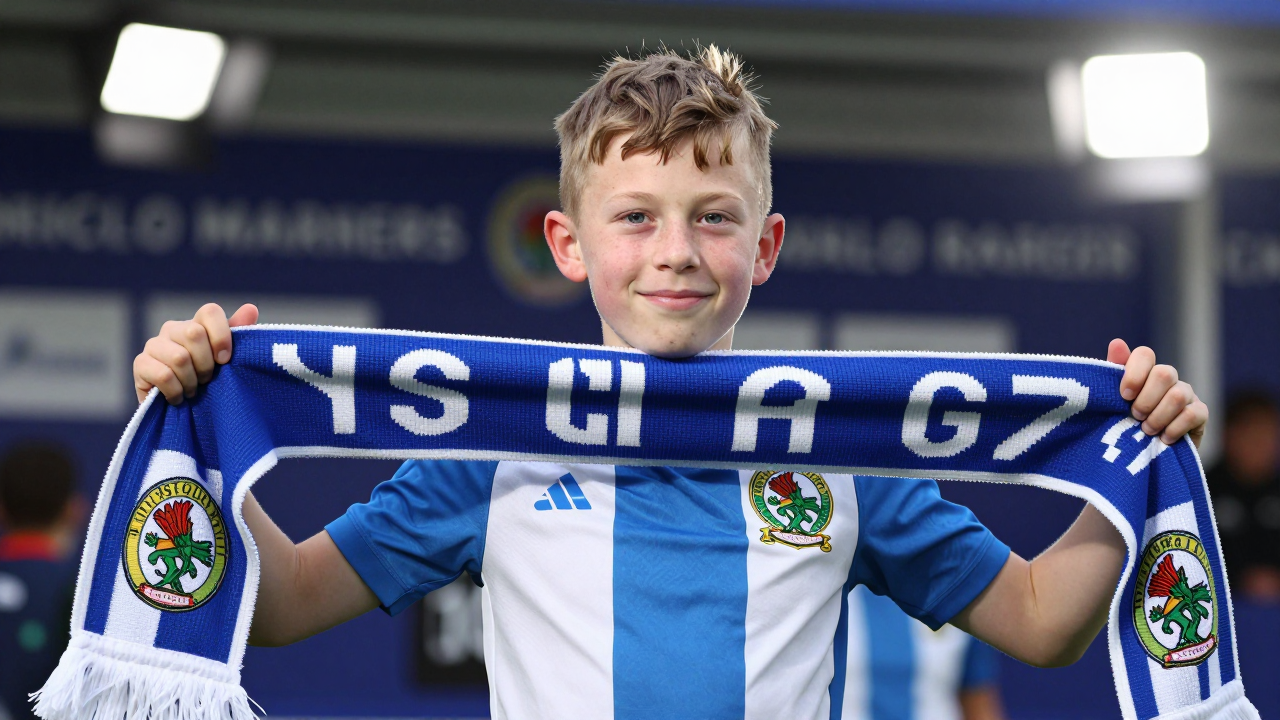
While Bristol Rovers may not be directly involved in the Old Firm rivalry, the implications of officiating standards reach all levels of football. As a club in England League Two, they rely on fair play and consistency in officiating to maintain competitive integrity. Fans of Rovers can relate to the frustrations that arise from questionable decisions, as they often have their share of contentious moments in matches.
Moreover, as the Gas look to push for promotion, they need to ensure that every match is governed by the same standards applied to top-flight leagues. The ramifications of a poorly officiated game can demoralise a team and alienate its supporters, something every club wishes to avoid.
Counterpoint: The Case for Leniency in Derbies
Critics will argue that high-stakes matches like the Old Firm should allow for more physical play. The flip side is that such leniency can create an environment where players may feel emboldened to make reckless tackles, risking injuries and undermining the sport's integrity. Some believe that a heavier hand in officiating could help deter dangerous play and protect players better.
What's Next
Looking ahead, the fallout from Johnston's tackle will undoubtedly be felt in the upcoming fixtures for Celtic and Rangers. Each team must navigate the psychological impact of such incidents, especially as they approach crucial league matches. For Johnston, he’ll need to temper his aggression to avoid further disciplinary action.
As for Bristol Rovers, they will be watching closely as they prepare for their next league encounter. The Gas have their own battles to fight, and ensuring they stay clear of officiating controversies will be vital as they push for promotion in England League Two.