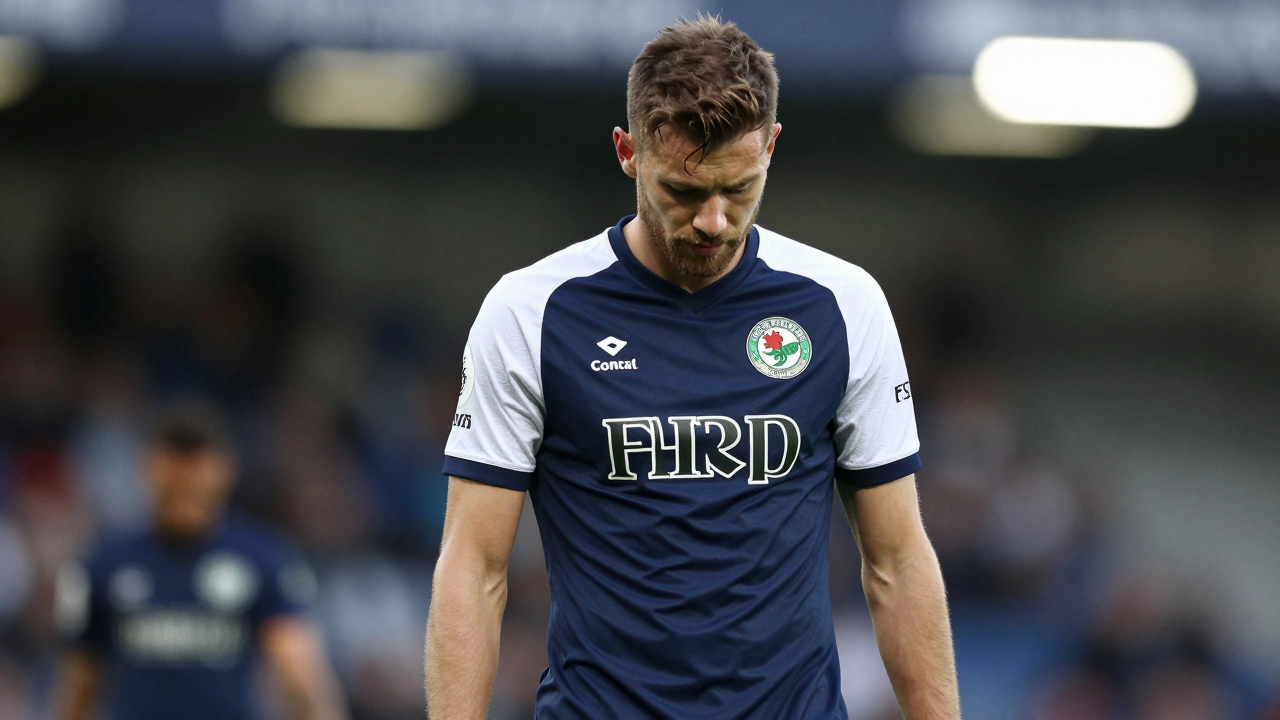
Gasheads, there's been a palpable buzz around the Memorial Stadium lately. The recent run of form has certainly provided plenty to cheer about, demonstrating the squad's capability to play attractive, effective football in this demanding division. However, as any true Gashead knows, perpetual optimism must always be balanced with a shrewd tactical eye. Let's lift the bonnet on Joey Barton's current setup and explore where we're excelling, and crucially, where a few tweaks could really iron out the creases.
Our preferred shape often appears to be a flexible 4-3-3 or a 4-2-3-1, a system that, when executed well, allows for potent wide play and central overloads. The initial build-up from the back has shown improved composure, with defenders increasingly comfortable playing through the lines rather than resorting to long balls under minimal pressure. This methodical approach is vital for retaining possession and drawing opponents out, creating spaces further up the pitch. Our full-backs have been instrumental in this, pushing high to offer width and creating numerical advantages in the final third. When this clicks, The Gas can be truly electrifying, carving open defences with intelligent movement and crisp passing.
However, a recurring pattern has emerged that warrants attention. While our wide players offer significant threat, there's a tendency for central areas to occasionally become congested or, conversely, too open during transitions. When opponents press our midfield aggressively, we sometimes struggle to consistently link play between defence and attack, leading to turnovers in dangerous areas. The creative burden can, at times, fall disproportionately on a couple of individuals, making us somewhat predictable if those outlets are effectively nullified. Defensively, while overall resilience has improved, there are moments where quick counter-attacks expose spaces between our centre-backs and retreating midfielders, particularly when our full-backs are committed high up the pitch.
To address these nuances, a couple of tactical adjustments could elevate our game further. Firstly, exploring a more fluid midfield rotation, perhaps allowing one of the deeper midfielders to more consistently break the lines and join the attack centrally, could provide an additional dimension and alleviate pressure on our wide men. This isn't about abandoning our wings, but rather diversifying our avenues to goal, making us harder to read. Think less rigid positioning and more dynamic interchanges in the final third.
Secondly, improving our defensive transitions and counter-pressing intensity in the middle third would be hugely beneficial. When possession is lost, a more immediate and aggressive press could win the ball back higher up, preventing opponents from launching swift attacks against a potentially unbalanced defensive line. This requires collective discipline and fitness, but the dividends in terms of reducing chances against and maintaining attacking momentum would be significant. It's about suffocating the opposition's build-up before it gains traction, forcing them into mistakes further from our own goal.
Ultimately, these aren't criticisms of our recent successes, but rather observations aimed at pushing The Gas even higher. Consistency and tactical evolution are key in League Two. With a few subtle tweaks to our system and an unwavering commitment to collective defensive duties, we can ensure the Memorial Stadium remains a fortress and that Rovers continue to climb the ladder. Up The Gas!