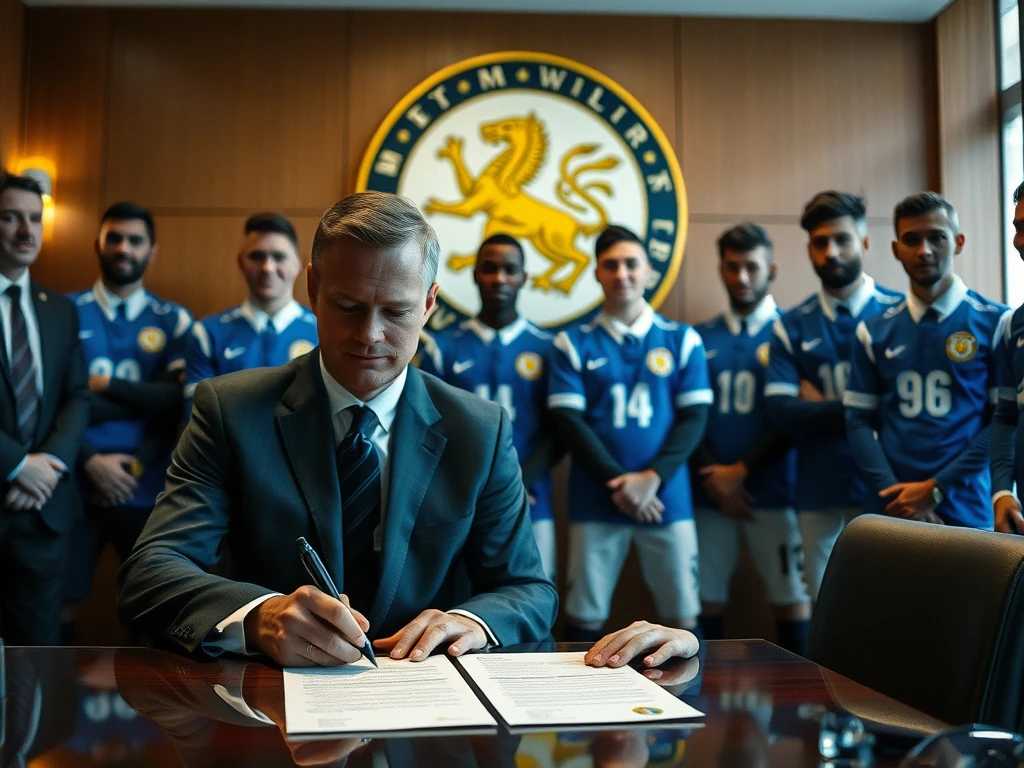
The recent charity match between Bristol City and Bristol Rovers brought together players, fans, and the community in support of a vital cause: men’s mental health. The event not only showcased local football talent but also highlighted the importance of dialogue around mental health issues, particularly in a sport that often overlooks them. Organised to benefit Talk Club, a charity focused on men’s mental health, the match was a reminder of the role sport can play in fostering community and supporting individual wellbeing.
The Significance of Community Support
Charity matches like this one serve more than just a competitive purpose; they cultivate a sense of community among fans and players alike. The participation of both Bristol City and Bristol Rovers players underscores a united front in addressing mental health, an issue that affects many men but is often shrouded in stigma. Events of this nature encourage open conversations and provide resources for those in need.
- Community Engagement: The match attracted supporters from both clubs, demonstrating the power of football to bring people together.
- Mental Health Awareness: By backing Talk Club, the match highlighted critical mental health issues and promoted resources available for help.
- Local Talent: The event showcased not just professional players, but also local talents, reinforcing the community spirit.
This kind of engagement is crucial in a city where football plays a significant role in community identity. When clubs come together for a cause, it resonates deeply with fans, creating a shared sense of purpose.
Players Who Made an Impact
The charity match featured notable players from both teams, with many taking to social media to discuss the importance of the event. Names like Bristol City's Andi Weimann and Bristol Rovers' Aaron Collins were among those who played, not just for the scoreline but to raise awareness and funds for a crucial cause.
Their involvement highlights the role athletes can play beyond the pitch. By using their platform to advocate for mental health, these players serve as role models, encouraging younger generations to speak openly about their feelings and seek help when needed. This is particularly significant in the world of football, where mental health issues have increasingly come to light.
What this means for Bristol Rovers
For Bristol Rovers, participating in this charity match against their city rivals is more than just a friendly encounter; it's an opportunity for the club to reinforce its commitment to community issues. As a club that prides itself on its local roots, the Rovers’ involvement in such charitable events strengthens their bond with fans and the wider Bristol community.
Fans should take pride in their club’s proactive stance on mental health. The focus on wellbeing reflects an understanding that football is not just about winning matches, but also about fostering a supportive environment for players and fans alike. This commitment can enhance the club's reputation and loyalty among supporters, who are increasingly valuing social responsibility.
The Rivalry Beyond the Game
The rivalry between Bristol City and Bristol Rovers is well-documented and steeped in history. Matches between the two clubs, known as the Bristol derby, often carry high stakes, but this charity match shifted the focus from competition to collaboration. This aspect of the game serves as a reminder that amid fierce rivalries, there can be a shared goal that transcends the pitch.
Critics may argue that charity matches dilute the competition and take away from the intensity of local rivalries. However, by prioritising mental health, this match demonstrated that football can be a vehicle for positive change. The emotional connections built during such events can lead to stronger community ties, which ultimately benefit both clubs in the long run.
Fan Reaction and Outlook
The response from fans who attended the match was overwhelmingly positive. Many expressed their appreciation not just for the opportunity to see their teams play, but for the meaningful cause that brought everyone together. Social media was abuzz with support for the players and the charity, demonstrating that fans value initiatives that address important social issues.
- Community Spirit: Fans from both sides united for a common cause, showcasing the communal spirit of Bristol.
- Positive Feedback: Many took to social platforms to praise the event, highlighting the need for more initiatives that focus on mental health.
- Future Engagement: Supporters are hopeful for more charity events that continue to address social issues through sport.
The overall atmosphere was one of hope and unity, proving that football can be more than just a game. It can serve as a platform for important discussions and awareness, helping to break down barriers surrounding mental health.
What’s next
Looking ahead, the conversation around mental health in football must continue beyond charity matches. It’s vital that clubs like Bristol Rovers and Bristol City integrate mental health initiatives into their regular community outreach programs. Fans can look forward to more events that not only entertain but also educate and inform.
In the upcoming months, both clubs might consider establishing ongoing partnerships with mental health charities, creating a lasting impact on the community. The atmosphere of support generated from this match could lead to further initiatives aimed at promoting mental health awareness, ensuring that the conversation remains alive and well in Bristol and beyond.