
Tactical Overview of Recent Form
Bristol Rovers have experienced mixed results in their recent matches, showcasing moments of brilliance alongside periods of frustration. The Gas have predominantly utilized a 4-2-3-1 formation, which has allowed them to maintain a solid midfield presence while offering width through the wingers. However, the lack of consistent goal-scoring has raised questions about whether this formation fully exploits the attacking talents within the squad.
In their last few outings, Rovers have struggled to convert possession into meaningful chances. Despite controlling the midfield, the transition from defense to attack has often been sluggish, allowing opponents to regroup and stifle the attacking threat. The reliance on quick wing play has led to predictable patterns, making it easier for opposing defenses to anticipate their movements.
Suggested Tactical Tweaks
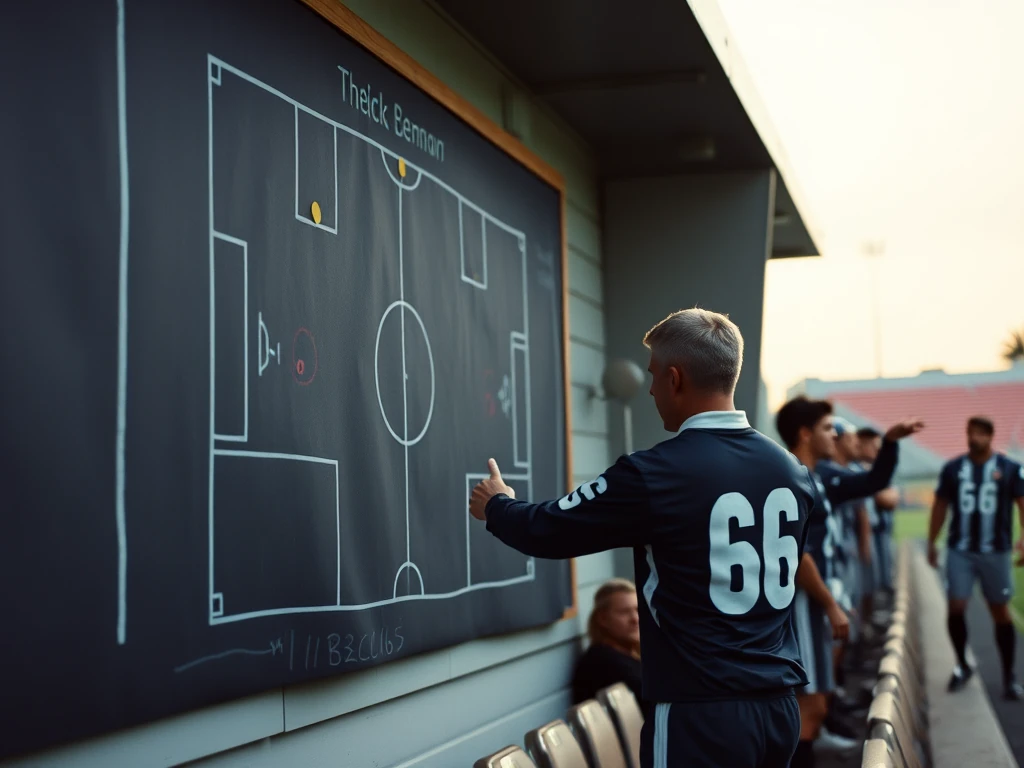
1. Shift to a 4-3-3 Formation One adjustment that could breathe new life into Rovers' attack is a shift to a 4-3-3 formation. This would allow for a more dynamic front three, with wingers cutting inside to create space for overlapping full-backs. By placing three central midfielders, Rovers could enhance their control over the midfield while providing more options for distribution to the flanks. This formation could also facilitate quicker transitions and more fluid movement in the final third, which has been lacking.
2. Utilization of a False Nine Introducing a false nine could further disrupt opposing defenses. By employing a player who can drop deeper into midfield, Rovers can create overloads in the center and draw defenders out of position. This tactic could free up space for wingers to exploit, allowing for more creative angles of attack. Players like Isaac Hutchinson, known for their technical ability and vision, could thrive in this role, linking play between midfield and attack effectively.
3. Emphasizing High Pressing Introducing a more aggressive pressing strategy could also yield positive results. Rovers should look to regain possession higher up the pitch, applying immediate pressure on the opposition’s backline. This approach not only frustrates opponents but also creates immediate scoring opportunities from forced errors. Training sessions should focus on coordinated pressing triggers, ensuring that players are synchronized in their movements to maximize effectiveness.
Adjusting Player Roles
1. Wing Play Enhancement While Rovers have relied on wing play, the current setup could benefit from more varied distribution. Full-backs should be encouraged to overlap and provide additional width, while wingers can cut inside to create shooting opportunities. Additionally, incorporating more diagonal balls from deep could stretch the opposition’s defense, allowing the forwards to exploit gaps.
2. Midfield Creativity The midfield has displayed resilience, but creativity remains a concern. Players like Henry De-Long must be given the freedom to express themselves, moving beyond their defensive duties to support attacks. Encouraging midfielders to take risks and make forward runs can also help in creating more scoring chances, leveraging their ball control and vision to unlock tight defenses.
Conclusion
As Bristol Rovers look to build momentum in League Two, tactical adjustments could be the key to unlocking their full potential. By shifting formations, adopting a more aggressive pressing style, and encouraging creativity in the midfield, The Gas can transform their recent form into consistent performances. With a few tweaks, Rovers have the ingredients to challenge for promotion and make their mark this season.