
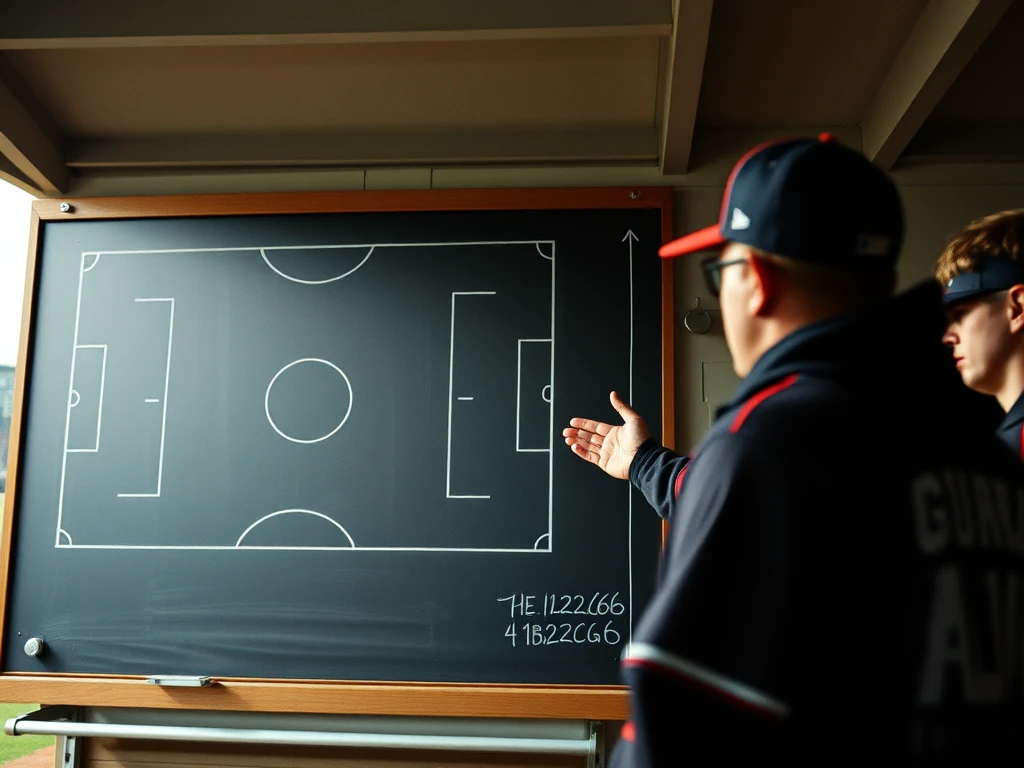
Bristol Rovers have had a mixed bag of results in recent weeks, showcasing flashes of brilliance alongside some frustrating performances. As the team seeks to secure a stronger position in League Two, a closer look at their tactical approach reveals several areas for potential refinement that could elevate their game to new heights.
Current Formation and Style
Under the guidance of manager Steve Evans, the Gas have primarily employed a 4-4-2 formation. This setup has allowed them to maintain solidity in defense while providing width through their wingers. However, as recent matches have demonstrated, this formation can become predictable and vulnerable against teams that press high or exploit spaces between the lines.
Tweaks to the Midfield Structure
One tactical tweak that could pay dividends would be to shift towards a 4-2-3-1 formation. By deploying two holding midfielders, Rovers can enhance their defensive stability while allowing their attacking midfielders more freedom to roam and create chances. This change would not only provide extra protection for the back four but also give players like Isaac Hutchinson more opportunities to influence the game in the final third.
Emphasizing Wing Play
Another adjustment to consider is the use of overlapping full-backs. While Rovers have decent width from their wingers, the full-backs often remain conservative in their positioning. Encouraging them to push forward and create overloads on the flanks can stretch opposition defenses, providing more space for central players to exploit. With the likes of Alfie Kilgour and T. Lockyer capable of joining the attack, this could lead to a more dynamic offensive approach.
Pressing Strategy
Defensively, Rovers have shown moments of vulnerability when pressed. A more coordinated pressing strategy could help regain possession higher up the pitch, which is crucial for creating scoring opportunities. Implementing a trigger for the press, such as when the opposition's goalkeeper plays short or when a defender receives the ball in a vulnerable position, could lead to more turnovers and quick transitions into attack.
Utilizing the Squad Depth
Moreover, the rotation of players is essential as the season progresses. With a congested fixture schedule, fresh legs can make a significant difference. Players like Anthony Evans and Aaron Collins should be given opportunities to start matches to maintain a high level of intensity and adaptability. This depth can also be beneficial in executing a more fluid tactical approach, allowing Rovers to switch between formations depending on the opponent.
Conclusion
In conclusion, while Bristol Rovers have the foundation of a competitive side in League Two, subtle adjustments to their formation and tactics could significantly enhance their performance. By adopting a more flexible approach in midfield, emphasizing wing play, coordinating their pressing strategy, and utilizing squad depth, The Gas can look to build on their recent form and make a push for promotion. Fans can remain optimistic as these tactical tweaks may very well be the key to unlocking the team’s full potential.