
Reinventing the Gas: Tactical Adjustments for Bristol Rovers' Next Phase
Bristol Rovers have shown glimpses of promise in their recent fixtures, yet consistency remains elusive in their pursuit of a playoff spot. As the Gas continue to battle through the early part of the season in League Two, a closer examination of their tactical approach reveals areas for potential enhancement. Here, we delve into their current form and propose strategic adjustments that could reinvigorate their campaign.
Current Form and Tactical Identity
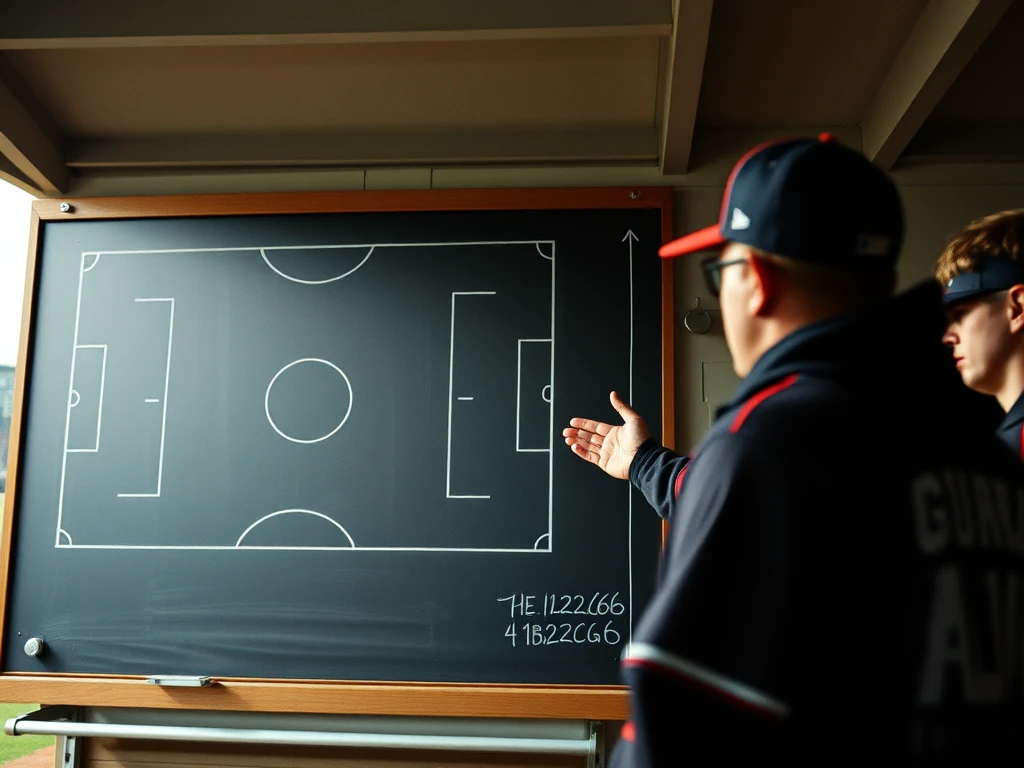
Over the past few matches, Rovers have predominantly employed a 4-2-3-1 formation, which has allowed them to maintain a solid midfield presence while providing width through their wingers. However, despite the potential this formation holds, they have often appeared static in the final third. The reliance on individual brilliance, particularly from players like Aaron Collins and Antony Evans, has not consistently translated into goals, highlighting a need for a more cohesive attacking strategy.
The transition from defense to attack has been noticeably sluggish, with the team struggling to create clear-cut chances. This may stem from a lack of movement off the ball and a failure to exploit the space behind opposing defenses. To remedy this, Rovers could benefit from implementing a more fluid attacking style, encouraging players to interchange positions and create overloads in key areas.
Suggested Tactical Tweaks
1. Fluidity in Attack: Shifting from a rigid structure to a more fluid attacking approach could be game-changing. Encouraging the wingers to cut inside and create space for overlapping full-backs can stretch defenses, making it harder for opponents to mark players effectively. This would allow for more dynamic interplay, particularly with the attacking midfielder making late runs into the box.
2. Pressing High: Introducing a higher pressing game can disrupt the opposition's build-up play and regain possession quickly. Rovers have the athleticism and energy in their squad to execute this effectively. By pushing their forwards and midfielders to press the opposing defenders, they can force errors and create immediate goal-scoring opportunities.
3. Utilizing a Two-Forward System: Considering a switch to a 4-4-2 or a 3-5-2 formation could provide a fresh dimension to Rovers' attacking play. Pairing Ellis Harrison with another striker could add physicality upfront and allow for a more direct approach. This could also alleviate pressure on the midfield, enabling them to focus on feeding the strikers and exploiting second balls.
4. Midfield Rotation: Incorporating a more rotational midfield strategy can help maintain freshness and energy throughout the match. Utilizing players like Sam Finley and Luke McCormick interchangeably in deeper roles allows for fluid transitions and keeps opponents guessing. This can enhance the team's ability to control the midfield and dictate the tempo of the game.
5. Set-Piece Specialization: With the physicality present in the squad, Rovers should look to capitalize on set-pieces more effectively. Developing specific routines and ensuring players are well-drilled in attacking corners and free-kicks can provide an additional edge, especially in tightly contested matches.
Conclusion
As Bristol Rovers strive for improvement in League Two, embracing these tactical adjustments could breathe new life into their performances. By fostering a more dynamic attacking style, implementing high pressing, and being adaptable in formation, the Gas could turn their fortunes around and mount a serious challenge for promotion. The foundation is there; now it's about executing a plan that maximizes the talents within the squad. With the right tweaks, the Gas can look forward to a promising season ahead.